The Future of Sales Channel Management: Trends and Predictions

Introduction: Why Sales Channels Are Shifting Quickly
These days, selling stuff works way differently than it used to. Instead of just brick-and-mortar shops or door-to-door reps, companies now show up in more places. Folks might spot a brand on Instagram, check reviews on Amazon, visit the site later, then buy in person. Websites, apps, online hubs, and real-world locations they're all part of how people decide what to get.
One step ahead often means seeing what others miss. Companies keeping pace must rethink how they handle sales paths growth depends on it. Technology shifts fast, true, yet people now expect more than ever before. Change creeps in through habits, tools, behaviours no one predicted just five years back. What comes next? A mix of sharper methods, smarter choices, quieter innovations. Think long term, act flexible, and adjust quietly. The route forward mixes insight with patience. Patterns emerge when you stop chasing noise. Watch closely, respond differently that shapes what wins.
Managing Sales Channels in Today's Digital World
Picking how a product reaches buyers kicks off the whole setup. Working with third parties like online marketplaces shapes part of the path it takes. Some companies run their own selling crews instead. Others pass goods through middle players who handle customer contact. Websites where people shop daily form another route entirely. Social networks now double as spots where purchases happen, too. Each option needs attention so performance stays on track. Tweaking methods over time helps keep things moving well.
Nowadays, companies shift away from old-style separate channels toward connected systems. Instead of isolated touchpoints, everything links together smoothly. A person might look up products online first. Then check prices using a phone while walking through town. After that, buy the item face-to-face at a physical shop. This kind of journey shows why smooth connections between platforms matter so much. Each step flows into the next without breaks or confusion.
Future of Sales Channel Management Shaped by Key Trends
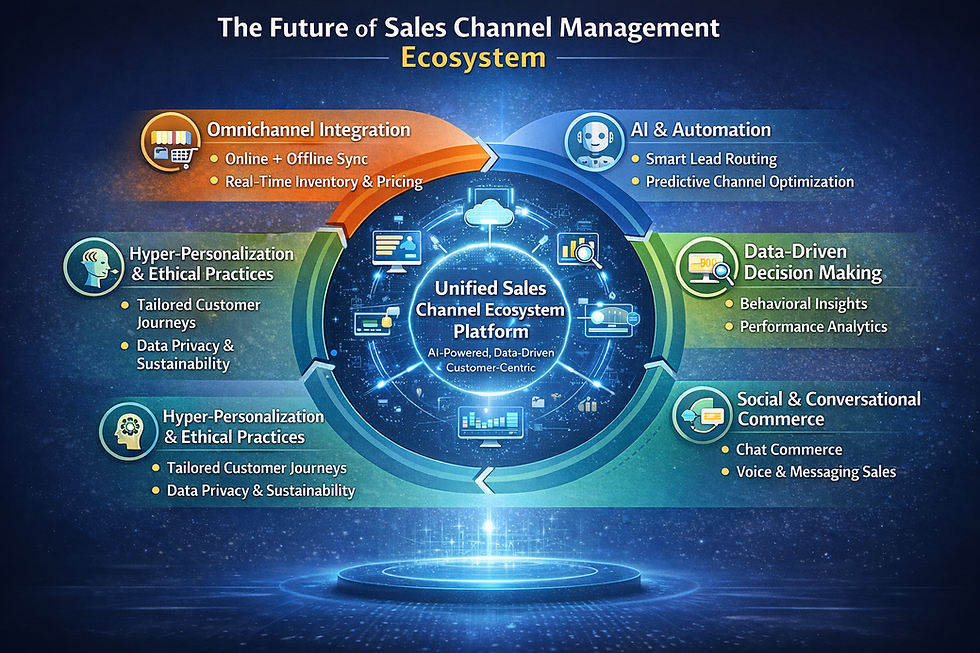
Omnichannel Integration Now Common
What stands out now in handling sales paths? It's how everything links together. Shops mix web shopping with physical stores so people move smoothly between them. These joined-up systems let firms track stock, set prices, match details about buyers - all live, all the time. Smoother work happens. Shoppers feel better served.
Ai And Automation Changing How Channels Work
Tomorrow's sales channels are being remade through smart machines that handle routine work while sharpening judgment. Instead of guessing, companies now rely on systems that assign prospects fairly plus adjust outreach based on buyer behaviour. With repetitive jobs taken off the table, sellers spend energy where it counts - deepening ties, solving tough deals. Machines sort data overnight; people talk face-to-face by day. Efficiency rises without losing the human touch somewhere in the mix. Predictions grow sharper because patterns emerge that only algorithms can spot early.
Data Driven Choices for Channels
Nowhere is data more useful than in shaping how products reach buyers. Companies look at what customers do, which paths work best, followed by where sales actually happen, to balance their approach. As numbers update instantly, teams shift budgets where they gain most, spot room to grow, while avoiding wasted effort. Sometimes guessing ahead pays off: models suggest future wants, guiding changes before problems arise.
Rise of Social and Conversational Commerce
Chat interfaces now double as storefronts on social networks. Brands talk to shoppers right away using automated replies or human agents. Questions get answers fast, pushing purchases along without delay. Voice tools join the mix, making exchanges feel natural. Personal touches matter more each day. Speed wins trust in these quick back-and-forth moments. Expect this way of selling to stick around - it fits how people communicate now.
Partner Networks and Value Focused Sales
One change stands out now. Instead of just selling products, channel partners work more like advisors who build custom solutions. These new relationships thrive on ongoing support, not one-time deals. Revenue grows steadily when companies keep customers engaged over time. Loyalty forms naturally when service stays consistent. Long-term connections replace short exchanges. Predictable income follows where trust is already rooted.
Hyper-Personalization Across Channels
One way things are shifting in how companies manage their sales paths? They're getting more personal. Instead of one-size-fits-all messages, smart systems now adjust what customers see - using past actions and likes. When people feel understood, they tend to pay attention longer, enjoy the experience more, and then buy more often, whether online, in stores, or elsewhere.
Sustainability and Ethical Channel Practices
Now more than ever, people pay attention to where products come from and how they're made because of growing worries about the planet and fairness. When companies show honesty in how they handle information, it opens doors to stronger connections with buyers. Instead of just promising change, some brands act differently by sharing what happens behind the scenes. Because shoppers notice these details, their choices shift toward those who do better work quietly. Over time, small honest steps add up to long-term support from customers who care.
Future Outlook on Managing Sales Channels
One big system could soon handle everything sales, stock, people for most companies. Instead of juggling separate tools, teams might rely on just one place to track it all. That shift tends to smooth out daily tasks while making shopping feel simpler. Fewer gaps show up when systems talk properly. People get what they need without hassle. Things work better behind the scenes, too.
Down the road, smart tools will pick how to reach people, matching methods to habits without needing a push. Instead of one-size-fits-all, selling will mix online options, live help from afar, plus face-to-face chats. Choices stack up where it suits buyers most timing, mood, and what they're used to guide the flow.
One big shift ahead? Rules around data privacy are tightening, changing how firms handle their sales paths. Because of this, businesses must build safer tech setups while being clear about how they use information - it keeps them within legal lines and builds faith with users. On another note, subscription-based income is climbing, pushing partner networks toward steady-service deals instead of one-time sales. Think more cloud software services, less box-on-a-shelf thinking.
Business Challenges Ahead
One problem ahead involves clashes between different ways of selling, where companies selling straight to buyers might rub retailers the wrong way, messing up prices and partnerships. Tying together tools like customer records, business software, and partner networks often turns into a tangled mess. Getting the right people could slow things down, too - workers who actually understand numbers, smart machines, and online selling are hard to find. How smoothly these pieces work depends on whether customers feel the same wherever they interact. Even with new chances opening up, how firms handle partners and tech will shape what happens next.
Business Strategy Guidance
Getting ready for tomorrow's sales channels means putting money into smart tech like artificial intelligence alongside number-crunching systems - this sharpens how choices are made. Success over time hinges on solid ties with partners, grown by sharing knowledge, offering rewards, and sometimes working hand-in-hand. Putting customers at the core works best when each interaction feels tailored and smooth, no matter where it happens. Staying ahead demands keeping an eye on what's new, shifting approaches fast when needed in a world that never sits still.
Conclusion: Preparing for the Future of Sales Channel Management
In conclusion, the Future of Sales Channel Management will be defined by integration, intelligence, and intentional customer experiences.
One step ahead often means riding the wave of digital change, where tools learn as they go. With machines spotting patterns, staying in sync across platforms becomes less guesswork. Customers now expect smooth shifts between channels, no hiccups allowed. Those who adapt find fewer roadblocks and more room to grow. Gains come not from size but from how well connections are managed day after day.
Tomorrow’s winners will adapt fast-shifting tools, rethinking ideas, and focusing on real people's needs. Staying ready now means smarter moves later when change hits hard.
Call-to-Action
For anyone that wants any further guidance, ClickAcademy Asia is exactly what you need. Join our class in Singapore and enjoy up to 70% government funding. Our courses are also Skills Future Credit Claimable and UTAP, PSEA and SFEC approved. Find out more information and sign up here. (https://www.clickacademyasia.com/sales-channel-management-mastery )


Sales channel management is evolving with automation, data insights, and omnichannel strategies. Businesses now prioritize flexibility and stronger partner ecosystems to stay competitive. Brand perception remains powerful—similar to how a football hall of fame jacket instantly signals identity and recognition.